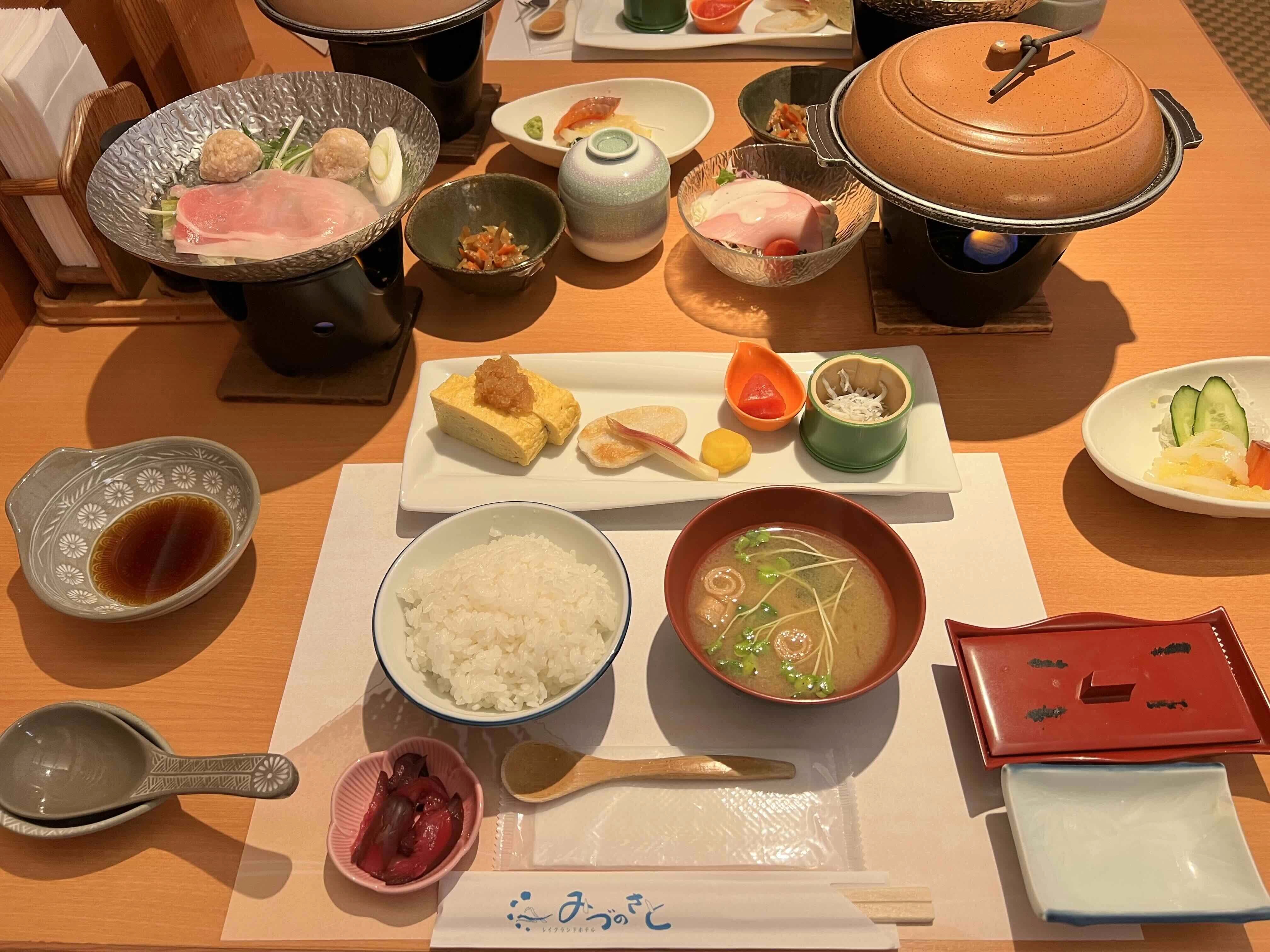
A short primer on what to eat and where — the everyday dishes and regional specialties guests are most likely to encounter, from convenience-store staples to reservation-only counters.
Rice, Noodles & Everyday Staples
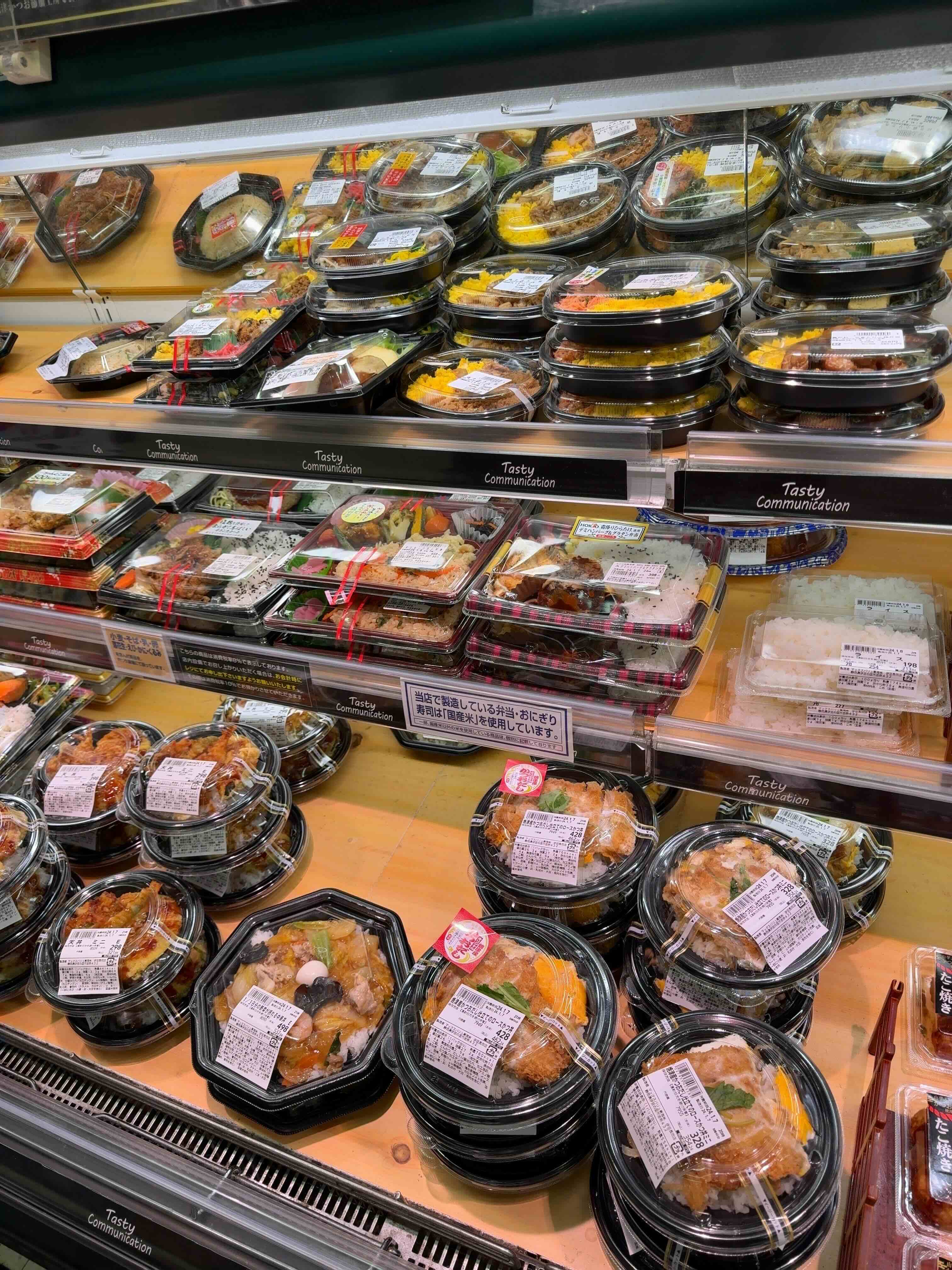
Donburi (rice bowls): gyudon (beef), katsudon (pork cutlet), oyakodon (chicken & egg) — filling and convenient, available everywhere from convenience stores and food courts to specialty restaurants.
Ramen: wheat noodles served in a variety of broths and styles — shoyu (soy sauce), miso, tonkotsu (pork bone) or shio (salt) are among the most common. Many regions have their own local ramen styles, from Hakata tonkotsu to Sapporo miso.
Udon & soba: thick wheat noodles (udon) or buckwheat noodles (soba), served hot in broth or cold with a dipping sauce — a common alternative to ramen, with many regional and seasonal variations.
Onigiri: rice balls, often wrapped in nori, sold everywhere from konbini to train station kiosks, with fillings such as tuna mayo, pickled plum, salmon or seaweed.

Sushi & Raw Seafood
Nigiri: hand-pressed vinegared rice topped with a slice of fish or seafood — traditionally eaten by hand, with the fish side lightly dipped in soy sauce.
Sashimi: just the raw fish or seafood, no rice — commonly tuna, salmon or yellowtail, with the selection changing by season and region.
Kaiten-zushi (conveyor-belt sushi): affordable, casual restaurants and chains such as Sushiro and Kura Sushi, where sushi is served via a conveyor belt or delivered directly to your seat — a good option for families and first-timers.
Omakase: "I leave it to you" — a chef-curated meal at a sushi counter, often requiring a reservation, especially at high-end restaurants.

Grilled, Fried & Hot Pot
Yakitori: skewered, grilled chicken and vegetables — ordered by the piece at an izakaya, from thigh (momo) to skin (kawa) to cartilage (nankotsu).
Tempura: seafood and vegetables in a light, crisp batter, served with a dipping sauce or as a topping over rice or noodles.
Tonkatsu: breaded, deep-fried pork cutlet, usually sliced and served with shredded cabbage and a tangy sauce.
Shabu-shabu & sukiyaki: tableside hot-pot styles with thinly sliced beef and vegetables — shabu-shabu in a light broth with dipping sauces, while sukiyaki is simmered in a sweet-savory soy-based sauce and often served with raw egg.
Okonomiyaki & takoyaki: famous Kansai foods — a savoury batter-and-cabbage pancake and battered octopus balls — often cooked at the table or bought from a street stall.
Regional Specialties
Hokkaido: fresh seafood (uni, crab, scallops), dairy, and miso ramen.
Osaka & Kansai: often called "the nation's kitchen" — known for okonomiyaki, takoyaki and kushikatsu (fried skewers).
Hiroshima: its own style of okonomiyaki, with the ingredients layered rather than mixed together, usually including noodles.
Fukuoka / Hakata: tonkotsu ramen and yatai (street-side food stalls).
Kyoto: kaiseki (refined multi-course dining) and shojin ryori (traditional Buddhist vegetarian cuisine).

Everyday & Convenience Food
Konbini food: surprisingly good onigiri, sandwiches, bento boxes, and hot items such as oden (especially in winter) or fried chicken — a convenient and affordable meal option at almost any time of day.
Bento boxes: portioned meals sold at train stations (ekiben often highlight local specialties or regional ingredients) and in department-store basement food halls (depachika).
Curry rice: Japanese-style curry — typically thick and mildly spiced — served over rice with toppings such as a cutlet or vegetables; a popular comfort food across Japan.
Sweets & Drinks
Wagashi: traditional Japanese sweets such as mochi, dorayaki (red-bean pancake) and taiyaki (fish-shaped cake), often paired with matcha.
Matcha everything: green tea flavouring shows up in soft-serve ice cream, sweets and drinks, especially in tourist areas like Kyoto and Uji.
Sake, shochu & highballs: sake (a fermented alcoholic drink made from rice) ranges from dry to sweet; shochu is a distilled spirit often mixed with water, soda or other drinks; whisky highballs are a common izakaya drink.
Dietary Notes for Travellers
Vegetarian and vegan options are improving but can still be limited outside big cities — dashi, a stock used in many Japanese dishes, often contains fish such as bonito or sardines, so it's worth asking about the ingredients in broths and sauces.
Halal and kosher options are more limited than conventional dining options, although they are available in Tokyo and several other major cities — check ahead for certified restaurants rather than assuming.
A Japanese allergy communication card can be useful for travellers with food allergies, but always confirm the ingredients directly with restaurant staff, especially for serious allergies, since English menus and staff English vary widely outside major hotels.