Multi-Day Tours
13-Day Cultural and Scenic Adventure with World Heritage
13
DAYS
8
DESTINATIONS
4
GUESTS (MAX)
Multi-Day Tours
13-Day Cultural and Scenic Adventure with World Heritage
13
DAYS
8
DESTINATIONS
4
GUESTS (MAX)
Multi-Day Tours
13-Day Cultural and Scenic Adventure with World Heritage
13
DAYS
8
DESTINATIONS
4
GUESTS (MAX)
Overwiew
What You’ll Discover
Overwiew
What You’ll Discover
We designed this thirteen-day journey around a trail of World Heritage sites and dramatic landscapes running the length of western Japan and into Kyushu. We take you to the white keep of Himeji Castle, the temples and deer of Nara, the shrines of Kyoto, and the memorial grounds and floating torii of Itsukushima Shrine in Hiroshima, before turning south to the volcanic scenery of Kagoshima and the ancient cedar forests of Yakushima, an island whose moss-covered woods helped inspire the world of a Studio Ghibli film. We have chosen sites that show Japan at its most varied, and paced them so the route builds naturally from feudal castles and sacred islands to active volcanoes and primeval forest, closing in Fukuoka. This is the trip we suggest for travellers who want landscape and heritage in equal measure.
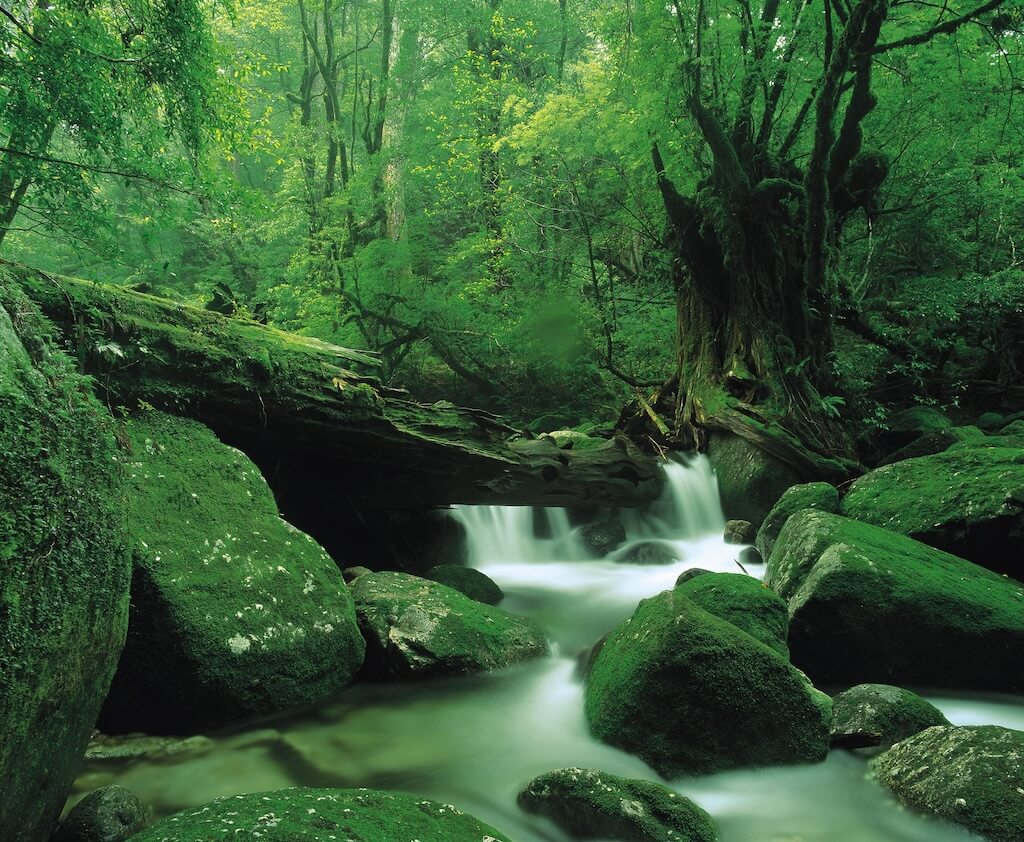
Hike into the ancient cedar forests of Yakushima, a UNESCO World Heritage island where some trees are said to be thousands of years old and moss-covered ravines helped inspire the world of a Studio Ghibli film.
Stand at the floating torii gate of Itsukushima Shrine on Miyajima, a UNESCO World Heritage site where the great vermilion gate rises straight out of the sea and, at high tide, seems to float on the water.
Walk through Himeji Castle, the finest surviving original castle in Japan and a UNESCO World Heritage site — a brilliant-white keep that has stood for over 400 years.
Take a ferry to Sakurajima, one of Japan's most active volcanoes, its steaming cone rising straight across the bay from Kagoshima — a mountain that still erupts and reshapes itself to this day.
Visit 11 UNESCO World Heritage Sites in a single journey — from the white keep of Himeji Castle and the Great Buddha of Nara's Tōdai-ji Temple to the temples of Kyoto, the floating torii of Itsukushima, and the ancient forests of Yakushima.
Highlights
Explore the Highlights of Your Journey
Highlights
Explore the Highlights of Your Journey

Sengan-en Garden — The seaside villa of the Shimazu lords, borrowing the volcano of Sakurajima as its backdrop.

Sakurajima Ferry — Cross the bay to one of Japan's most active volcanoes, its steaming cone rising from the sea.

Kobe Harbor — A sparkling waterfront of illuminated towers and sea views along the bay.

Kyoto Imperial Palace — The former seat of Japan's emperors, set among raked gravel courtyards and cypress halls.

Kiyomizu-dera Temple — A hillside temple whose vast wooden stage opens over Kyoto and a green wooded slope.
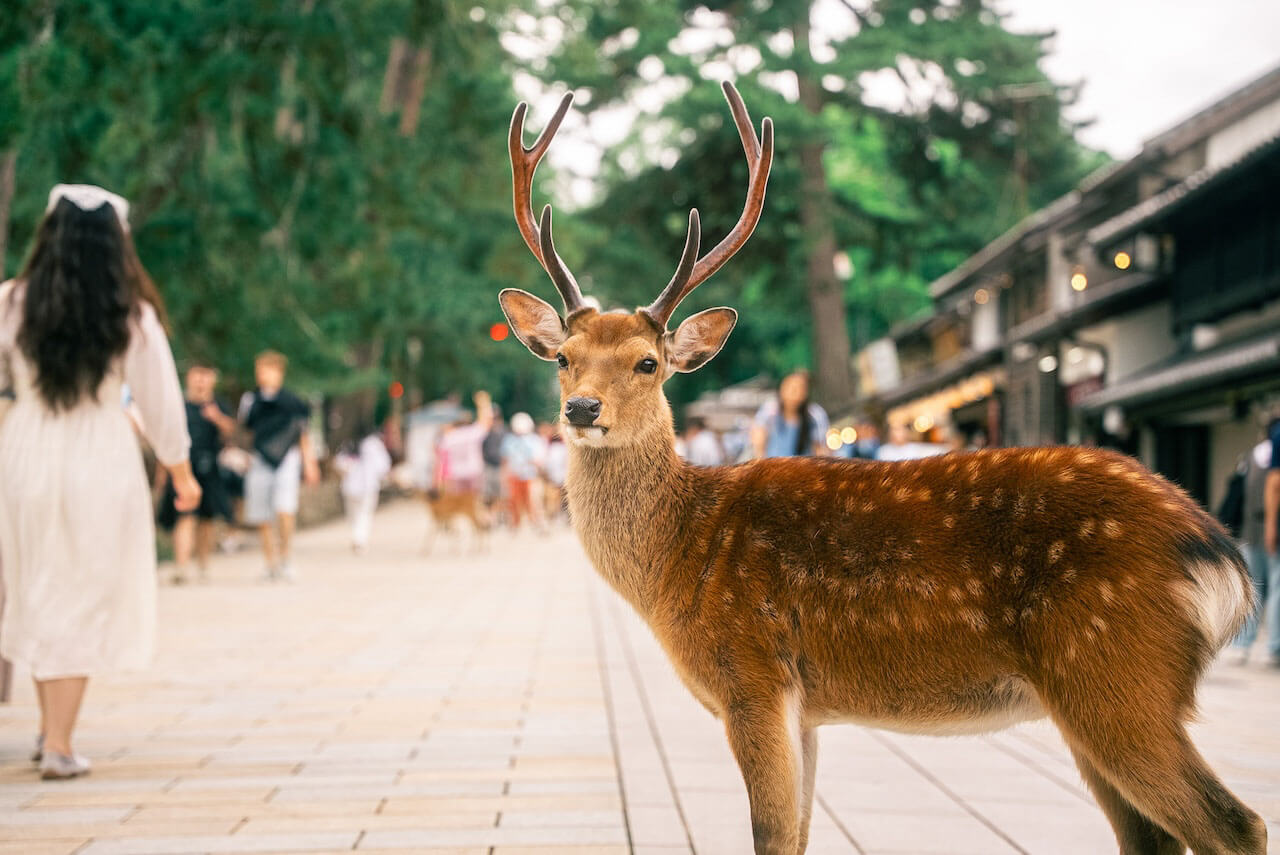
Nara Park — A vast park where more than a thousand sacred deer roam freely among ancient temples.



Information
Where This Journey Takes You
Information
Where This Journey Takes You
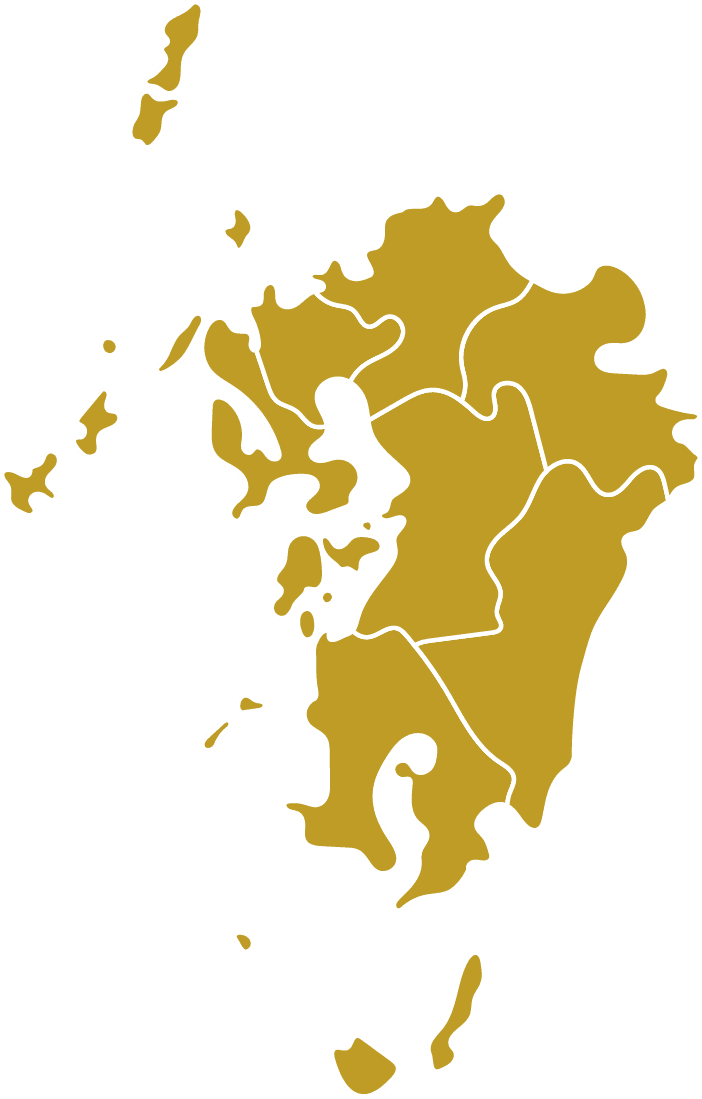
This itinerary connects some of Japan’s most distinctive regions, combining iconic highlights with lesser-known destinations to create a seamless travel experience from start to finish.
This itinerary connects some of Japan’s most distinctive regions, combining iconic highlights with lesser-known destinations to create a seamless travel experience from start to finish.
Area
Kansai
Kyushu
Chugoku
Duration
13 Days
Group Size (Max)
4 Guests
Destinations
8 Destinations
Accommodation
12 nights, Double/Twin room, 3–4 star hotels
Meal
Breakfast:12 | Dinner:2 (Day10.Day11)
Transport
Charter Vehicles + Shinkansen (Kyoto→Hiroshima, Hiroshima→Kagoshima) + Ibusuki no Tamatebako sightseeing train + Ferry (Yakushima) + Domestic flight (Yakushima→Fukuoka)
Pick-up
At hotel in Osaka City or Shin-Osaka Station
Drop-off
At hotel in Fukuoka City or Hakata Station
Language
Itinerary
Explore Every Moment Along the Way
Itinerary
Explore Every Moment Along the Way

Day 1
Open the journey at one of Japan's finest castles. Climb toward the brilliant-white keep of Himeji Castle, a UNESCO World Heritage site and the best-preserved original feudal castle in the country, winding up through a deliberate maze of gates, walls, and switchback paths built to slow any attacker. Pause at a viewing point along the way to pick out the tiled roofs of the town far below. In the evening, cross to Kobe and board a cruise along Kobe Harborland, watching the illuminated waterfront and the city lights spread out and double on the dark water.
Himeji (Himeji Castle, Kobe Harborland)
Kobe or Osaka hotel (3–4 star)
Day 1
Open the journey at one of Japan's finest castles. Climb toward the brilliant-white keep of Himeji Castle, a UNESCO World Heritage site and the best-preserved original feudal castle in the country, winding up through a deliberate maze of gates, walls, and switchback paths built to slow any attacker. Pause at a viewing point along the way to pick out the tiled roofs of the town far below. In the evening, cross to Kobe and board a cruise along Kobe Harborland, watching the illuminated waterfront and the city lights spread out and double on the dark water.
Himeji (Himeji Castle, Kobe Harborland)
Kobe or Osaka hotel (3–4 star)
Day 1
Open the journey at one of Japan's finest castles. Climb toward the brilliant-white keep of Himeji Castle, a UNESCO World Heritage site and the best-preserved original feudal castle in the country, winding up through a deliberate maze of gates, walls, and switchback paths built to slow any attacker. Pause at a viewing point along the way to pick out the tiled roofs of the town far below. In the evening, cross to Kobe and board a cruise along Kobe Harborland, watching the illuminated waterfront and the city lights spread out and double on the dark water.
Himeji (Himeji Castle, Kobe Harborland)
Kobe or Osaka hotel (3–4 star)
Day 2
Spend the day among the World Heritage sites of Nara. Step inside Tōdai-ji Temple and crane up at one of the largest bronze Buddha statues in the world, some 15 meters tall, seated in an immense wooden hall. Walk the lantern-lined approach to Kasuga Taisha Shrine beneath a canopy of ancient trees, deer drifting past in the low afternoon light, then end at Yakushi-ji Temple and its two graceful, balanced pagodas, standing a thousand years and more. Feed a bowing deer a cracker on the lantern-lined approach as the light slants low. Press your palms together before the Great Buddha in the dim of the hall.
Nara (Tōdai-ji Temple, Kasuga Taisha Shrine, Yakushi-ji Temple)
Nara or Osaka hotel (3–4 star)
Breakfast included
Day 2
Spend the day among the World Heritage sites of Nara. Step inside Tōdai-ji Temple and crane up at one of the largest bronze Buddha statues in the world, some 15 meters tall, seated in an immense wooden hall. Walk the lantern-lined approach to Kasuga Taisha Shrine beneath a canopy of ancient trees, deer drifting past in the low afternoon light, then end at Yakushi-ji Temple and its two graceful, balanced pagodas, standing a thousand years and more. Feed a bowing deer a cracker on the lantern-lined approach as the light slants low. Press your palms together before the Great Buddha in the dim of the hall.
Nara (Tōdai-ji Temple, Kasuga Taisha Shrine, Yakushi-ji Temple)
Nara or Osaka hotel (3–4 star)
Breakfast included
Day 2
Spend the day among the World Heritage sites of Nara. Step inside Tōdai-ji Temple and crane up at one of the largest bronze Buddha statues in the world, some 15 meters tall, seated in an immense wooden hall. Walk the lantern-lined approach to Kasuga Taisha Shrine beneath a canopy of ancient trees, deer drifting past in the low afternoon light, then end at Yakushi-ji Temple and its two graceful, balanced pagodas, standing a thousand years and more. Feed a bowing deer a cracker on the lantern-lined approach as the light slants low. Press your palms together before the Great Buddha in the dim of the hall.
Nara (Tōdai-ji Temple, Kasuga Taisha Shrine, Yakushi-ji Temple)
Nara or Osaka hotel (3–4 star)
Breakfast included
Day 3
Begin Kyoto at Fushimi Inari Taisha Shrine: climb through thousands of vermilion torii gates that form glowing tunnels up the sacred mountain — push past the first crowded stretch, and the gates thin and the forest closes in. Then eat your way through Nishiki Market, a narrow covered lane four centuries in the making, past pickle barrels, tofu stalls, and skewers. End on a working film set at Uzumasa Kyoto Village, a whole recreated Edo-era town of wooden merchant streets, a shrine gate, and an old courthouse, where samurai dramas are shot — watch staged sword fights break out and wander a ninja house of hidden doors and trick staircases.
Kyoto (Fushimi Inari Taisha Shrine, Uzumasa Kyoto Village)
Kyoto hotel (3–4 star)
Breakfast included
Day 3
Begin Kyoto at Fushimi Inari Taisha Shrine: climb through thousands of vermilion torii gates that form glowing tunnels up the sacred mountain — push past the first crowded stretch, and the gates thin and the forest closes in. Then eat your way through Nishiki Market, a narrow covered lane four centuries in the making, past pickle barrels, tofu stalls, and skewers. End on a working film set at Uzumasa Kyoto Village, a whole recreated Edo-era town of wooden merchant streets, a shrine gate, and an old courthouse, where samurai dramas are shot — watch staged sword fights break out and wander a ninja house of hidden doors and trick staircases.
Kyoto (Fushimi Inari Taisha Shrine, Uzumasa Kyoto Village)
Kyoto hotel (3–4 star)
Breakfast included
Day 3
Begin Kyoto at Fushimi Inari Taisha Shrine: climb through thousands of vermilion torii gates that form glowing tunnels up the sacred mountain — push past the first crowded stretch, and the gates thin and the forest closes in. Then eat your way through Nishiki Market, a narrow covered lane four centuries in the making, past pickle barrels, tofu stalls, and skewers. End on a working film set at Uzumasa Kyoto Village, a whole recreated Edo-era town of wooden merchant streets, a shrine gate, and an old courthouse, where samurai dramas are shot — watch staged sword fights break out and wander a ninja house of hidden doors and trick staircases.
Kyoto (Fushimi Inari Taisha Shrine, Uzumasa Kyoto Village)
Kyoto hotel (3–4 star)
Breakfast included
Day 4
Spend the day among Kyoto's landmark sites. Stand before Kinkaku-ji Temple, the Golden Pavilion, sheathed in gold leaf and doubled so perfectly in the pond you look twice to tell which is real. Climb the old lanes to Kiyomizu-dera Temple and step out onto its vast wooden stage, set high on tall pillars over a green wooded hillside, the whole city spread below. End at the Kyoto Imperial Palace, where emperors held court for over a millennium, its broad white gravel courtyards and unpainted wooden halls embodying a quiet, understated grandeur.
Kyoto (Kinkaku-ji Temple, Kiyomizu-dera Temple, Kyoto Imperial Palace)
Kyoto hotel (3–4 star)
Breakfast included
Day 4
Spend the day among Kyoto's landmark sites. Stand before Kinkaku-ji Temple, the Golden Pavilion, sheathed in gold leaf and doubled so perfectly in the pond you look twice to tell which is real. Climb the old lanes to Kiyomizu-dera Temple and step out onto its vast wooden stage, set high on tall pillars over a green wooded hillside, the whole city spread below. End at the Kyoto Imperial Palace, where emperors held court for over a millennium, its broad white gravel courtyards and unpainted wooden halls embodying a quiet, understated grandeur.
Kyoto (Kinkaku-ji Temple, Kiyomizu-dera Temple, Kyoto Imperial Palace)
Kyoto hotel (3–4 star)
Breakfast included
Day 4
Spend the day among Kyoto's landmark sites. Stand before Kinkaku-ji Temple, the Golden Pavilion, sheathed in gold leaf and doubled so perfectly in the pond you look twice to tell which is real. Climb the old lanes to Kiyomizu-dera Temple and step out onto its vast wooden stage, set high on tall pillars over a green wooded hillside, the whole city spread below. End at the Kyoto Imperial Palace, where emperors held court for over a millennium, its broad white gravel courtyards and unpainted wooden halls embodying a quiet, understated grandeur.
Kyoto (Kinkaku-ji Temple, Kiyomizu-dera Temple, Kyoto Imperial Palace)
Kyoto hotel (3–4 star)
Breakfast included
Day 5
Head out of the city today, into the mountains and lakeside. Climb Mt. Hieizan first, following cedar-lined paths through cool mountain air up to Enryaku-ji Temple, a vast mountaintop monastery founded more than 1,200 years ago and once home to armies of warrior monks, and look out from its heights across the forest and the water beyond. In the afternoon, stand before Shirahige Shrine, where a vermilion torii gate rises from the water of Lake Biwa, Japan's largest lake, seeming to float just offshore in the soft light.
Shiga (Enryaku-ji Temple, Shirahige Shrine)
Kyoto hotel (3–4 star)
Breakfast included
Day 5
Head out of the city today, into the mountains and lakeside. Climb Mt. Hieizan first, following cedar-lined paths through cool mountain air up to Enryaku-ji Temple, a vast mountaintop monastery founded more than 1,200 years ago and once home to armies of warrior monks, and look out from its heights across the forest and the water beyond. In the afternoon, stand before Shirahige Shrine, where a vermilion torii gate rises from the water of Lake Biwa, Japan's largest lake, seeming to float just offshore in the soft light.
Shiga (Enryaku-ji Temple, Shirahige Shrine)
Kyoto hotel (3–4 star)
Breakfast included
Day 5
Head out of the city today, into the mountains and lakeside. Climb Mt. Hieizan first, following cedar-lined paths through cool mountain air up to Enryaku-ji Temple, a vast mountaintop monastery founded more than 1,200 years ago and once home to armies of warrior monks, and look out from its heights across the forest and the water beyond. In the afternoon, stand before Shirahige Shrine, where a vermilion torii gate rises from the water of Lake Biwa, Japan's largest lake, seeming to float just offshore in the soft light.
Shiga (Enryaku-ji Temple, Shirahige Shrine)
Kyoto hotel (3–4 star)
Breakfast included
Day 6
Ride the Shinkansen to Hiroshima. Stand before the Atomic Bomb Dome, its skeletal frame preserved in ruin exactly as it stood in 1945, a UNESCO World Heritage site and a sobering, unflinching record of history and the message of peace the city carries forward — a place devoted to remembrance, reconciliation, and a shared hope for a peaceful future. Then walk the ponds, arched bridges, and winding paths of Shukkei-en Garden, a classical landscape that compresses whole mountains and valleys into an afternoon's stroll. Cross the arched bridges of the garden slowly, pausing at each new framed view. Stand a long moment before the dome, then walk the park's quiet lawns.
Hiroshima (Atomic Bomb Dome, Shukkei-en Garden)
Hiroshima hotel (3–4 star)
Breakfast included
Shinkansen (Kyoto → Hiroshima) is included.
Day 6
Ride the Shinkansen to Hiroshima. Stand before the Atomic Bomb Dome, its skeletal frame preserved in ruin exactly as it stood in 1945, a UNESCO World Heritage site and a sobering, unflinching record of history and the message of peace the city carries forward — a place devoted to remembrance, reconciliation, and a shared hope for a peaceful future. Then walk the ponds, arched bridges, and winding paths of Shukkei-en Garden, a classical landscape that compresses whole mountains and valleys into an afternoon's stroll. Cross the arched bridges of the garden slowly, pausing at each new framed view. Stand a long moment before the dome, then walk the park's quiet lawns.
Hiroshima (Atomic Bomb Dome, Shukkei-en Garden)
Hiroshima hotel (3–4 star)
Breakfast included
Shinkansen (Kyoto → Hiroshima) is included.
Day 6
Ride the Shinkansen to Hiroshima. Stand before the Atomic Bomb Dome, its skeletal frame preserved in ruin exactly as it stood in 1945, a UNESCO World Heritage site and a sobering, unflinching record of history and the message of peace the city carries forward — a place devoted to remembrance, reconciliation, and a shared hope for a peaceful future. Then walk the ponds, arched bridges, and winding paths of Shukkei-en Garden, a classical landscape that compresses whole mountains and valleys into an afternoon's stroll. Cross the arched bridges of the garden slowly, pausing at each new framed view. Stand a long moment before the dome, then walk the park's quiet lawns.
Hiroshima (Atomic Bomb Dome, Shukkei-en Garden)
Hiroshima hotel (3–4 star)
Breakfast included
Shinkansen (Kyoto → Hiroshima) is included.
Day 7
Cross the water to the island of Miyajima, where wild deer roam free along the shore and the streets. Stand before its great vermilion torii gate, rising straight out of the Seto Inland Sea and, at high tide, seeming to float on the water — one of the most photographed sights in all of Japan. Walk the stilted vermilion corridors of Itsukushima Shrine, a UNESCO World Heritage site that appears to hover above the tideline, the light and the sea level shifting hour by hour as the tide moves in and out. Wander the shrine approach and the old streets behind it, browsing stalls of grilled oysters and momiji manjū.
Hiroshima (Miyajima, Itsukushima Shrine)
Hiroshima hotel (3–4 star)
Breakfast included
Day 7
Cross the water to the island of Miyajima, where wild deer roam free along the shore and the streets. Stand before its great vermilion torii gate, rising straight out of the Seto Inland Sea and, at high tide, seeming to float on the water — one of the most photographed sights in all of Japan. Walk the stilted vermilion corridors of Itsukushima Shrine, a UNESCO World Heritage site that appears to hover above the tideline, the light and the sea level shifting hour by hour as the tide moves in and out. Wander the shrine approach and the old streets behind it, browsing stalls of grilled oysters and momiji manjū.
Hiroshima (Miyajima, Itsukushima Shrine)
Hiroshima hotel (3–4 star)
Breakfast included
Day 7
Cross the water to the island of Miyajima, where wild deer roam free along the shore and the streets. Stand before its great vermilion torii gate, rising straight out of the Seto Inland Sea and, at high tide, seeming to float on the water — one of the most photographed sights in all of Japan. Walk the stilted vermilion corridors of Itsukushima Shrine, a UNESCO World Heritage site that appears to hover above the tideline, the light and the sea level shifting hour by hour as the tide moves in and out. Wander the shrine approach and the old streets behind it, browsing stalls of grilled oysters and momiji manjū.
Hiroshima (Miyajima, Itsukushima Shrine)
Hiroshima hotel (3–4 star)
Breakfast included
Day 8
Ride the Shinkansen south to Kagoshima. SStroll the ponds, streams, and tea houses of Sengan-en Garden, the seaside retreat of the Shimazu lords who ruled here for centuries — and look up to find Sakurajima filling the sky across the bay, the whole volcano borrowed as the garden's backdrop and Kinko Bay stretching out as its pond, on a scale no garden wall could ever hold. Wander past the villa's wooden rooms and quiet corners, then cross by ferry to Sakurajima itself, one of Japan's most active volcanoes, standing close to its steaming cone with the ash drifting on the wind. End the day in the Tenmonkan district, walking its liveliest streets for shopping and the local dishes of southern Kyushu.
Kagoshima (Sengan-en Garden, Sakurajima, Tenmonkan)
Kagoshima hotel (3–4 star)
Breakfast included
Shinkansen (Hiroshima → Kagoshima) is included.
Day 8
Ride the Shinkansen south to Kagoshima. SStroll the ponds, streams, and tea houses of Sengan-en Garden, the seaside retreat of the Shimazu lords who ruled here for centuries — and look up to find Sakurajima filling the sky across the bay, the whole volcano borrowed as the garden's backdrop and Kinko Bay stretching out as its pond, on a scale no garden wall could ever hold. Wander past the villa's wooden rooms and quiet corners, then cross by ferry to Sakurajima itself, one of Japan's most active volcanoes, standing close to its steaming cone with the ash drifting on the wind. End the day in the Tenmonkan district, walking its liveliest streets for shopping and the local dishes of southern Kyushu.
Kagoshima (Sengan-en Garden, Sakurajima, Tenmonkan)
Kagoshima hotel (3–4 star)
Breakfast included
Shinkansen (Hiroshima → Kagoshima) is included.
Day 8
Ride the Shinkansen south to Kagoshima. SStroll the ponds, streams, and tea houses of Sengan-en Garden, the seaside retreat of the Shimazu lords who ruled here for centuries — and look up to find Sakurajima filling the sky across the bay, the whole volcano borrowed as the garden's backdrop and Kinko Bay stretching out as its pond, on a scale no garden wall could ever hold. Wander past the villa's wooden rooms and quiet corners, then cross by ferry to Sakurajima itself, one of Japan's most active volcanoes, standing close to its steaming cone with the ash drifting on the wind. End the day in the Tenmonkan district, walking its liveliest streets for shopping and the local dishes of southern Kyushu.
Kagoshima (Sengan-en Garden, Sakurajima, Tenmonkan)
Kagoshima hotel (3–4 star)
Breakfast included
Shinkansen (Hiroshima → Kagoshima) is included.
Day 9
Take today by scenic rail and lakeside. Board the Ibusuki no Tamatebako, a striking black-and-white sightseeing train named for a Japanese folk tale, settle into its seat, and watch the sea slide past the windows almost the whole way down the coast to Ibusuki. Step down and follow the shore of Lake Ikeda, the largest caldera lake in Kyushu — calm, deep, and ringed by green hills, its still surface wrapped in local folklore of a legendary giant eel said to live somewhere in its depths. Look out across the water toward Kaimondake, the cone-shaped peak often called Satsuma-Fuji, before the day winds down.
Kagoshima (Ibusuki no Tamatebako train, Lake Ikeda)
Kagoshima or Ibusuki hotel (3–4 star)
Breakfast included
The Ibusuki sightseeing train is included.
Day 9
Take today by scenic rail and lakeside. Board the Ibusuki no Tamatebako, a striking black-and-white sightseeing train named for a Japanese folk tale, settle into its seat, and watch the sea slide past the windows almost the whole way down the coast to Ibusuki. Step down and follow the shore of Lake Ikeda, the largest caldera lake in Kyushu — calm, deep, and ringed by green hills, its still surface wrapped in local folklore of a legendary giant eel said to live somewhere in its depths. Look out across the water toward Kaimondake, the cone-shaped peak often called Satsuma-Fuji, before the day winds down.
Kagoshima (Ibusuki no Tamatebako train, Lake Ikeda)
Kagoshima or Ibusuki hotel (3–4 star)
Breakfast included
The Ibusuki sightseeing train is included.
Day 9
Take today by scenic rail and lakeside. Board the Ibusuki no Tamatebako, a striking black-and-white sightseeing train named for a Japanese folk tale, settle into its seat, and watch the sea slide past the windows almost the whole way down the coast to Ibusuki. Step down and follow the shore of Lake Ikeda, the largest caldera lake in Kyushu — calm, deep, and ringed by green hills, its still surface wrapped in local folklore of a legendary giant eel said to live somewhere in its depths. Look out across the water toward Kaimondake, the cone-shaped peak often called Satsuma-Fuji, before the day winds down.
Kagoshima (Ibusuki no Tamatebako train, Lake Ikeda)
Kagoshima or Ibusuki hotel (3–4 star)
Breakfast included
The Ibusuki sightseeing train is included.
Day 10
Cross by ferry to Yakushima, a UNESCO World Heritage island of ancient cedar forests and dense, rain-fed greenery, where some of the cedars are said to be thousands of years old. Step off onto the island and feel the pace of the mainland fall away — clouds catching on the peaks, moss softening every surface. Settle into the island's slower rhythm and its deep quiet, ready for a full day of forest walking to come. Breathe the wet, green forest air and feel the pace of the mainland fall away. Walk the harbor as the ferry crossing settles into island calm.
Yakushima
Yakushima hotel (3–4 star)
Breakfast and dinner included
Ferry (Kagoshima → Yakushima) is included. Sea conditions may affect the schedule.
Day 10
Cross by ferry to Yakushima, a UNESCO World Heritage island of ancient cedar forests and dense, rain-fed greenery, where some of the cedars are said to be thousands of years old. Step off onto the island and feel the pace of the mainland fall away — clouds catching on the peaks, moss softening every surface. Settle into the island's slower rhythm and its deep quiet, ready for a full day of forest walking to come. Breathe the wet, green forest air and feel the pace of the mainland fall away. Walk the harbor as the ferry crossing settles into island calm.
Yakushima
Yakushima hotel (3–4 star)
Breakfast and dinner included
Ferry (Kagoshima → Yakushima) is included. Sea conditions may affect the schedule.
Day 10
Cross by ferry to Yakushima, a UNESCO World Heritage island of ancient cedar forests and dense, rain-fed greenery, where some of the cedars are said to be thousands of years old. Step off onto the island and feel the pace of the mainland fall away — clouds catching on the peaks, moss softening every surface. Settle into the island's slower rhythm and its deep quiet, ready for a full day of forest walking to come. Breathe the wet, green forest air and feel the pace of the mainland fall away. Walk the harbor as the ferry crossing settles into island calm.
Yakushima
Yakushima hotel (3–4 star)
Breakfast and dinner included
Ferry (Kagoshima → Yakushima) is included. Sea conditions may affect the schedule.
Day 11
Walk the forests of Yakushima all day. Hike into Shiratani Unsuikyo, a moss-covered ravine whose deep green scenery is tied to the world of Studio Ghibli's Princess Mononoke — light filtering green through the canopy, streams running clear over mossy stone. Drive the Seibu Rindo forest road, where the island's deer and monkeys appear at the roadside, and finish at Oko-no-taki, one of the island's largest waterfalls, plunging down a sheer rock face. Press a palm to a cedar said to have stood here for a thousand years or more. Cross the mossy stream on stepping stones as the light filters green.
Yakushima (Shiratani Unsuikyo, Oko-no-taki Falls)
Yakushima hotel (3–4 star)
Breakfast and dinner included
Trails may be wet and uneven; sturdy footwear is recommended.
Day 11
Walk the forests of Yakushima all day. Hike into Shiratani Unsuikyo, a moss-covered ravine whose deep green scenery is tied to the world of Studio Ghibli's Princess Mononoke — light filtering green through the canopy, streams running clear over mossy stone. Drive the Seibu Rindo forest road, where the island's deer and monkeys appear at the roadside, and finish at Oko-no-taki, one of the island's largest waterfalls, plunging down a sheer rock face. Press a palm to a cedar said to have stood here for a thousand years or more. Cross the mossy stream on stepping stones as the light filters green.
Yakushima (Shiratani Unsuikyo, Oko-no-taki Falls)
Yakushima hotel (3–4 star)
Breakfast and dinner included
Trails may be wet and uneven; sturdy footwear is recommended.
Day 11
Walk the forests of Yakushima all day. Hike into Shiratani Unsuikyo, a moss-covered ravine whose deep green scenery is tied to the world of Studio Ghibli's Princess Mononoke — light filtering green through the canopy, streams running clear over mossy stone. Drive the Seibu Rindo forest road, where the island's deer and monkeys appear at the roadside, and finish at Oko-no-taki, one of the island's largest waterfalls, plunging down a sheer rock face. Press a palm to a cedar said to have stood here for a thousand years or more. Cross the mossy stream on stepping stones as the light filters green.
Yakushima (Shiratani Unsuikyo, Oko-no-taki Falls)
Yakushima hotel (3–4 star)
Breakfast and dinner included
Trails may be wet and uneven; sturdy footwear is recommended.
Day 12
Two days ago a ferry carried you to Yakushima; today a short flight lifts you back to the mainland and on to Fukuoka, Kyushu's largest city. Step into Kushida Shrine at the heart of old Hakata, crane up at the towering, elaborately decorated festival float that stands in its grounds all year, and toss a coin at the hall where locals stop to pray on their way through the day. Then ride the elevator up Fukuoka Tower, press close to the glass, and watch the modern city and Hakata Bay open out below, the coastline curving away on either side until the sea meets the sky.
Fukuoka (Kushida Shrine, Fukuoka Tower)
Fukuoka hotel (3–4 star)
Breakfast included
Domestic flight (Yakushima → Fukuoka) is included.
Day 12
Two days ago a ferry carried you to Yakushima; today a short flight lifts you back to the mainland and on to Fukuoka, Kyushu's largest city. Step into Kushida Shrine at the heart of old Hakata, crane up at the towering, elaborately decorated festival float that stands in its grounds all year, and toss a coin at the hall where locals stop to pray on their way through the day. Then ride the elevator up Fukuoka Tower, press close to the glass, and watch the modern city and Hakata Bay open out below, the coastline curving away on either side until the sea meets the sky.
Fukuoka (Kushida Shrine, Fukuoka Tower)
Fukuoka hotel (3–4 star)
Breakfast included
Domestic flight (Yakushima → Fukuoka) is included.
Day 12
Two days ago a ferry carried you to Yakushima; today a short flight lifts you back to the mainland and on to Fukuoka, Kyushu's largest city. Step into Kushida Shrine at the heart of old Hakata, crane up at the towering, elaborately decorated festival float that stands in its grounds all year, and toss a coin at the hall where locals stop to pray on their way through the day. Then ride the elevator up Fukuoka Tower, press close to the glass, and watch the modern city and Hakata Bay open out below, the coastline curving away on either side until the sea meets the sky.
Fukuoka (Kushida Shrine, Fukuoka Tower)
Fukuoka hotel (3–4 star)
Breakfast included
Domestic flight (Yakushima → Fukuoka) is included.
Day 13
Take in two of Fukuoka's finest excursions on the final day. Walk the lively approach to Dazaifu Tenmangū Shrine, a cultural and spiritual center on the city's edge dedicated to the deity of learning, its grounds famous for plum trees said to have flown here for the scholar they honor. Pause for a freshly griddled umegae-mochi — a crisp, warm rice cake stamped with a plum crest — before stepping into the shrine. Later, step aboard a flat-bottomed riverboat and drift through the canals of Yanagawa, poled slowly past willow-lined banks, low bridges, and old samurai residences — a town of quiet waterways known as the Venice of Kyushu.
Fukuoka (Dazaifu, Yanagawa)
Breakfast included
Day 13
Take in two of Fukuoka's finest excursions on the final day. Walk the lively approach to Dazaifu Tenmangū Shrine, a cultural and spiritual center on the city's edge dedicated to the deity of learning, its grounds famous for plum trees said to have flown here for the scholar they honor. Pause for a freshly griddled umegae-mochi — a crisp, warm rice cake stamped with a plum crest — before stepping into the shrine. Later, step aboard a flat-bottomed riverboat and drift through the canals of Yanagawa, poled slowly past willow-lined banks, low bridges, and old samurai residences — a town of quiet waterways known as the Venice of Kyushu.
Fukuoka (Dazaifu, Yanagawa)
Breakfast included
Day 13
Take in two of Fukuoka's finest excursions on the final day. Walk the lively approach to Dazaifu Tenmangū Shrine, a cultural and spiritual center on the city's edge dedicated to the deity of learning, its grounds famous for plum trees said to have flown here for the scholar they honor. Pause for a freshly griddled umegae-mochi — a crisp, warm rice cake stamped with a plum crest — before stepping into the shrine. Later, step aboard a flat-bottomed riverboat and drift through the canals of Yanagawa, poled slowly past willow-lined banks, low bridges, and old samurai residences — a town of quiet waterways known as the Venice of Kyushu.
Fukuoka (Dazaifu, Yanagawa)
Breakfast included
Policies
Important Travel Information
Policies
Important Travel Information
Talk to Our Team
Every journey is different. Our Japan Travel Specialists are here to answer your questions, refine every detail, and help you choose the itinerary that best matches your interests, travel style, and pace.
Inclusions
- Pick up and drop off service - Charter Vehicles - Tour Guide (Gratuity excluded) - Accommodations (12 nights, Double/Twin room, 3-4 star) - Meal (Breakfast / Dinner: Day10.Day11) - Entrance tickets and activities in the itineraries. - Shinkansen (Kyoto - Hiroshima) - Tamatebako Sightseeing Train to Ibusuki - Ferry ticket (Yakushima to Kagoshima) - Domestic flight (Yakushima to Fukuoka) - Inbound Travel Insurance
Exclusions
Cancellation
Additional Info
Talk to Our Team
Every journey is different. Our Japan Travel Specialists are here to answer your questions, refine every detail, and help you choose the itinerary that best matches your interests, travel style, and pace.
Talk to Our Team
Every journey is different. Our Japan Travel Specialists are here to answer your questions, refine every detail, and help you choose the itinerary that best matches your interests, travel style, and pace.
Talk to Our Team
Every journey is different. Our Japan Travel Specialists are here to answer your questions, refine every detail, and help you choose the itinerary that best matches your interests, travel style, and pace.
Recommended
Discover More Journeys That Match Your Travel Style
Recommended


