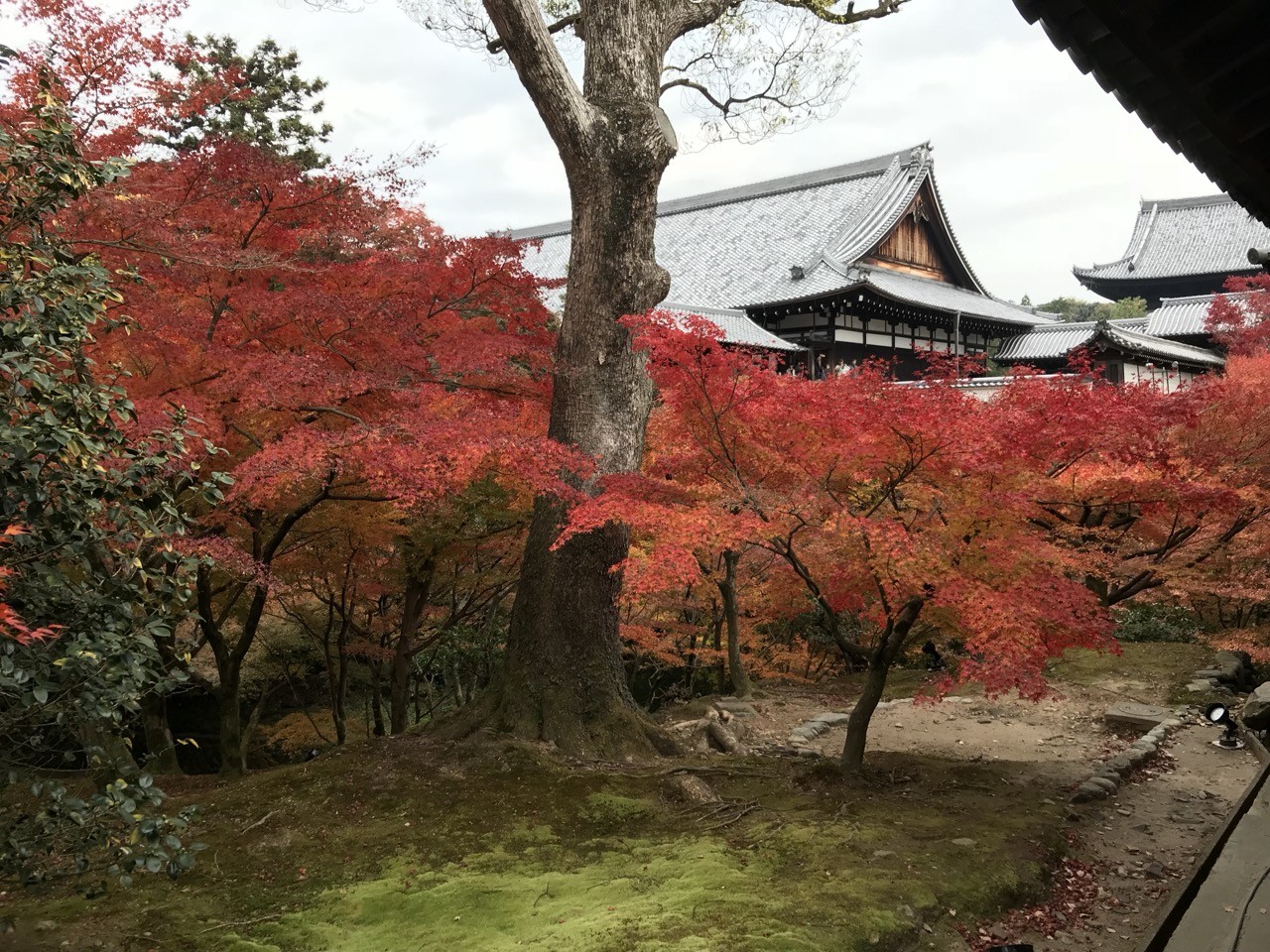

Long before bullet trains, travelers in northern Japan walked from one post town to the next, stopping to eat, rest and drink. In Tomiya, one of those towns, the sake came from a family that is still brewing there today.
That family runs Uchigasaki Brewing, the oldest sake brewery in Miyagi Prefecture. Miyagi sits on the Pacific coast of Tohoku, the northeastern part of Japan's main island, and its capital, Sendai, is about 90 minutes from Tokyo by bullet train. Tomiya is right next door, on Sendai's northern edge. This is the story of how the brewery grew up with its town, and what its 16th-generation brewer, Kei Uchigasaki, hopes for Hōyō, the brewery's main brand.

At a glance
Where: Tomiya, Miyagi Prefecture, just north of Sendai
Brewery: Uchigasaki Brewing, founded in 1661
Main brand: Hōyō
The brewer: Kei Uchigasaki, 16th generation
Brewing season: October to March
Nearby: The old post-town street of Shinmachi-dōri and the Tomiyado visitor center

A brewery born with its town
The Uchigasaki story begins with Date Masamune, the powerful lord who founded Sendai. On his orders, the first generation of the family helped build Tomiya from the ground up, and it opened as a post town (shukuba-machi), a rest stop on the road north, in 1620. In 1661 the second generation started brewing sake.
The brewery stands on Shinmachi-dōri, a street that still keeps much of its post-town look, and the town has been working hard to welcome visitors. In May 2021, the site of a soy sauce shop once run by a branch of the Uchigasaki family reopened as Tomiyado, a center for tourism and local events.

Kei Uchigasaki knew in junior high school that he wanted to take over the family business. After university he trained for two years at Dewazakura, a well-known sake brewery in neighboring Yamagata Prefecture. Today he runs both the business and the brewing.
He says the brewery has lasted because the people of Tomiya kept supporting it, and because his ancestors held on through hard times. "I want to do everything I can to keep Hōyō's style the same," he says, even as the world around it changes.
"Like raising children"
On a visit in early summer, the brewery was in its off-season. Brewing runs from October to the following March, and much of the work is still done by hand. The brewery uses a furnace-fired rice steamer, rare in Miyagi, a room for growing koji built in the Taishō era (1912–1926), and an old wooden press.
Sake needs two tiny helpers working together. Koji mold turns the starch in rice into sugar, and yeast turns that sugar into alcohol. The brewer's job is to keep the two in balance. Kei compares it to raising children. Temperatures change in ways no one can predict, so every day he checks the tanks, warming them or cooling them as needed.

He uses Miyagi-grown rice whenever he can, including two local sake rices, Kura no Hana and Gin no Iroha, a newer variety released in 2019. The aim is to let the land show in the glass. The water is very soft, and that softness is the key to Hōyō's smooth feel. His own favorite is a junmai daiginjō, a premium sake made only from polished rice, water, yeast and koji, brewed with Kura no Hana. It has a gentle aroma and goes down smoothly.
What he wants most is sake that makes you feel at ease the moment it touches your lips. In a changing world, he believes the thing to protect is traditional brewing. His skills are still growing, he says, so he would rather stay true to tradition than chase something new.

A brewer who never retires
About 80 percent of Hōyō is drunk in Miyagi, a sign of how much locals love it. The other 20 percent goes overseas. Sake drinking inside Japan has been falling for years, but exports grew for 11 years in a row through 2020, so markets abroad matter more and more to Japan's brewers.
Uchigasaki started exporting around 2000. Today Hōyō goes to the United States, the United Kingdom, Germany, Israel, Hong Kong, Singapore and Mexico, among others, and it has won awards at international contests such as Kura Master in France. When the pandemic stopped in-person events, the brewery turned to videos and online brewery tours, and found fans at home and abroad.
For Kei, sake made from local rice and water is also a way to tell people about Tomiya and Miyagi. He hopes more people across Japan, including in Tokyo, will come to love Hōyō. Each year's brewing feels like starting over, he says, and he wants to still be making sake at 70.


Know before you go
Start in Sendai: It is the easy base for Tomiya, about 90 minutes from Tokyo by bullet train.
Come in winter for the action: Brewing runs October to March. Outside those months the tanks are quiet.
It is a working brewery: Visits are not walk-in. Ask in advance whether the brewery can host you on your dates.
Walk the old street: Shinmachi-dōri and the Tomiyado center show what the post town looked like and what it is becoming.
Tasting rules: The legal drinking age in Japan is 20, and drink-driving rules are strict, so do not plan to drive after tasting.
Look for it at home: Hōyō is exported to the US, so you may find a bottle before or after your trip.

FAQ
Q: What is the oldest sake brewery in Miyagi?
It is Uchigasaki Brewing in Tomiya. The second generation of the Uchigasaki family began brewing there in 1661, and the brewery still makes sake under the Hōyō name.
Q: What does Hōyō sake taste like?
Hōyō is known for a soft, smooth style that comes from very soft brewing water. The brewer's own favorite is a junmai daiginjō made with Kura no Hana rice, with a gentle aroma.
Q: Where is Tomiya, and how do I get there?
Tomiya borders Sendai to the north, in Miyagi Prefecture. Take the bullet train from Tokyo to Sendai, about 90 minutes, then continue by road.
Q: When is sake brewed in Miyagi?
At this brewery, the season runs from October to March. That is when rice is steamed and the tanks are full.
Q: Can I buy Hōyō sake outside Japan?
Often, yes. The brewery exports to the United States, the United Kingdom, Germany, Israel, Hong Kong, Singapore and Mexico, though which bottles you will find depends on the store.
Q: Can you arrange a sake brewery visit near Sendai?
Small breweries usually need a request in Japanese, made well ahead, and they cannot always say yes. Our team in Japan can send that request for you, fit the visit into your Tohoku route, and arrange a private car from Sendai so no one in your group has to drive after tasting.
In Sendai, ask for Hōyō by name at a local bar or liquor shop. Most of it never leaves Miyagi, so this is the easiest place to try several styles side by side.