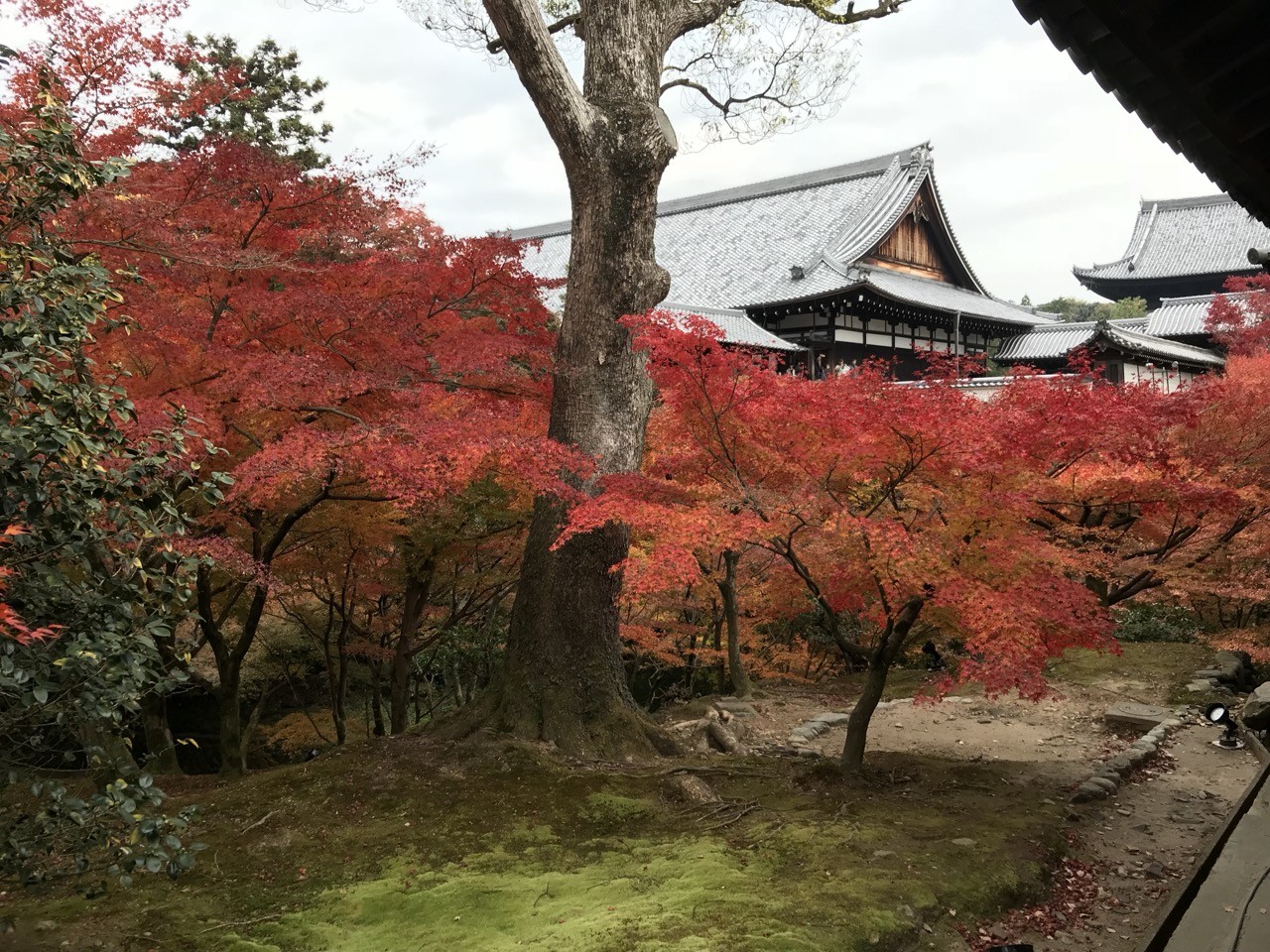

Picture yourself in a hot outdoor bath on a hillside. The grass and trees move in the wind, and a line of volcanic peaks sits on the horizon. For many guests, that is the moment they remember most from Tenku no Mori, a small hot spring retreat in Kagoshima.
Kagoshima is the southernmost prefecture on Kyushu, the big island in Japan's southwest. Tenku no Mori sits in the Kirishima mountains, about 12 km from Kagoshima Airport, which has direct flights from Tokyo. The retreat is also a member of Relais & Châteaux, a name many luxury travelers know but few can explain. So what does it mean, and why does a corner of southern Japan have so many members?

At a glance
Where: Kirishima, Kagoshima Prefecture, in southern Kyushu
What: A hilltop retreat of a few private villas, each with its own open-air hot spring bath
Membership: Relais & Châteaux member since 2016
Food: Original dishes made with vegetables grown on site and chickens raised on its own farm
Sister inn: Gajoen, a thatched-roof inn in Myōken Onsen, from the same founder
Getting there: About 12 km from Kagoshima Airport, best reached by car
Where Relais & Châteaux began
The story starts in 1941, with war over Europe and Paris badly hurt. Marcel and Nelly Tilloy, a French couple who had worked as music-hall performers, bought a country estate in the Rhône Valley, in the Ardèche region of southern France. There they lived what the French call the art of living (l'art de vivre): good food, a slow pace and a warm welcome.
In 1952 the couple invited seven friends who ran hotels and restaurants to meet regularly. They shared what they had learned about hospitality, and their love of that way of life. In 1954 the group became official, with eight member properties on the road from Paris to the Mediterranean.
The name joins two French words. A relais is a stop on a journey, like an old coaching inn. A château is a castle.
Today the association has about 580 hotels and restaurants in 65 countries. Every member is independently owned, not part of a big chain, so the styles vary widely: old castles, country estates, new art hotels. What they share is a focus on quality and a small number of rooms.

The five Cs, and a different kind of luxury
Anonymous inspectors visit and judge each property, and the standards come from French tradition: the setting and the building should be elegant and full of character.
Members have long been measured against five French words, the "five Cs": Caractère (character), Courtoisie (courtesy), Calme (calm), Charme (charm) and Cuisine (food). Behind them is one idea: true luxury means taking enough time to find a hidden corner of nature, and to enjoy the art of living there. Some travelers call the association the Michelin Guide of hotels.

Kyushu's quiet stronghold
Japan's members range from big-city restaurants to inns in small hot spring towns. In Kyushu, four of the listings come from one man, Takeo Tajima: two inns, Gajoen and Tenku no Mori, and the restaurant at each.
Gajoen came first. It stands in Myōken Onsen, a hot spring area in Kirishima, deep in the forest beside a river. Thatched-roof cottages sit on rocks among green grass. Chickens walk around the courtyard, and fish jump in the pond. The suites are in traditional Japanese style, and each has a natural stone tub filled with hot spring water, just outside the door. The riverside restaurant cooks with local ingredients and vegetables from the garden nearby.
Tenku no Mori: a hillside shaped by hand
Tenku no Mori means "forest in the sky," and the name fits. Its owner spent more than 20 years clearing the woods and hills around it, and digging for hot spring water himself.
The result is a hilltop where you can watch the forest change with the seasons and look out over Kagoshima's volcanic mountains. A few low-key villas stand apart from each other, made for travelers who want calm more than anything else. From each villa's private open-air bath, you soak while the view does the rest.
Meals follow the farm. The kitchen serves original dishes built around vegetables grown on the property and chickens raised on its own land, so what you eat depends on the season.

Know before you go
Plan for a stay, not a stop: The villas are spread out and quiet by design. Two nights let you enjoy the baths in daylight and after dark.
Book early: With so few villas, popular dates go quickly.
Arrange your ride: Kagoshima Airport is close, but the retreat is on a hilltop, so a car or taxi is the easy choice.
Tell them about diets: Menus are built on what the farm produces, so share allergies and food needs when you book.
Pack a layer: Kirishima is in the mountains, and evenings are cooler than in Kagoshima City.
Pair it with Gajoen: Both inns are in Kirishima, but the moods differ: riverside cottages at one, hilltop views at the other.

FAQ
Q: What is Relais & Châteaux?
It is an association of independently owned hotels and restaurants. It was founded in France in 1954 and now counts about 580 members in 65 countries, chosen for character, welcome and food rather than size.
Q: Where is Tenku no Mori in Japan?
Tenku no Mori is in the Kirishima mountains of Kagoshima Prefecture, on Kyushu in the far southwest of Japan. Kagoshima Airport is roughly 12 km away.
Q: What are the "five Cs" of Relais & Châteaux?
They are five French words used to describe what a member should offer: character, courtesy, calm, charm and cuisine. Inspectors visit anonymously to judge them.
Q: Is Gajoen the same place as Tenku no Mori?
No. They are two separate inns created by the same founder. Gajoen is a group of thatched cottages by a river in Myōken Onsen; Tenku no Mori is a set of hilltop villas with wide mountain views.
Q: What kind of food does Tenku no Mori serve?
The retreat's cooking is farm-to-table. Dishes use vegetables from its own fields and chickens from its own farm, so the menu shifts with the seasons.
Q: Can you help me plan a stay at Tenku no Mori?
Yes. The retreat has only a few villas, so dates matter more than usual. As travel specialists in Japan, we can handle the Japanese-language booking, plan your Kyushu route around the stay, and arrange a private car from Kagoshima Airport to the hill.
Flying into Kagoshima? Land in daylight, let the car take you up the hill, and save the first soak for sunset.